
In its buzziest acquisition to date, OpenAI acquired tech-industry talk show TBPN last week. According to a source familiar with the transaction, the acquisition was valued at approximately $200 million.
Founded just 18 months ago by entrepreneurs John Coogan and Jordi Hays, TBPN has become a media staple for fans of the tech industry, and a platform for CEOs like Mark Zuckerberg, Satya Nadella, and Alex Karp.
The caliber of TBPN’s guests creates a flywheel effect: High-profile guests attract other high-profile guests, which attracts high-profile viewership.
This in turn attracts premium advertising dollars. With only 11 employees, TBPN generated $5 million in ad revenue in 2025 and was on track to exceed $30 million in 2026. They will no longer run ads, but as a house publication for OpenAI, they effectively become a marketing platform.
TBPN’s revenue per employee, assuming $30 million in sales, is greater than Apple’s.
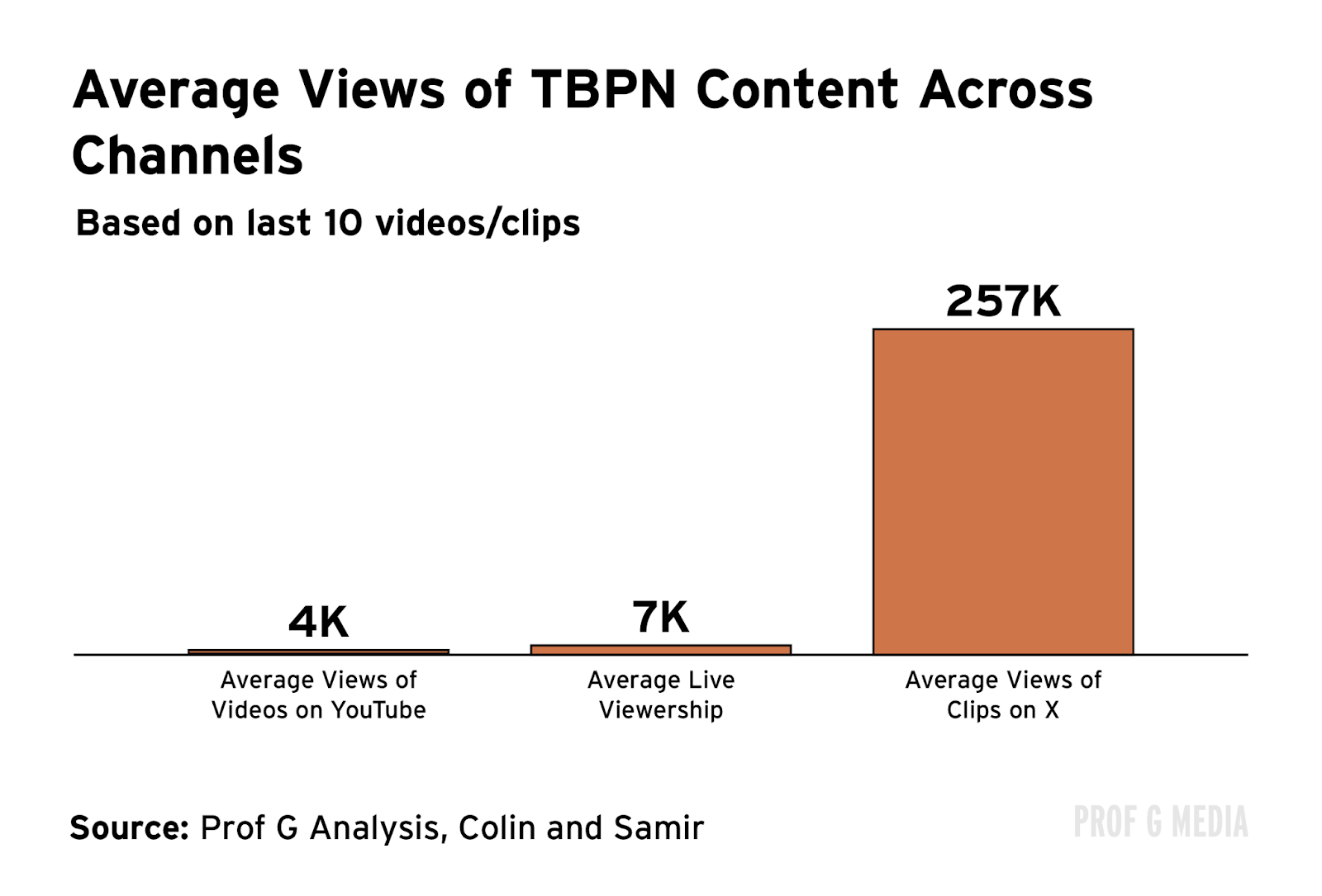
TBPN livestreams from YouTube and X for three hours a day, five days a week. Most episodes get between 4,000 and 10,000 live viewers. Most of its influence stems from clips on X. It’s both a reinforcement of X’s continued cultural gravitas and a reminder that clips are no longer just a marketing requirement. The clips are the content.
OpenAI’s decision to purchase a media company isn’t entirely surprising. There is a long history of tech companies buying or starting media firms as a marketing and customer acquisition strategy. Microsoft and NBC started MSNBC in 1996 to drive traffic to Microsoft’s internet portal, MSN. Bloomberg launched Bloomberg News to sell its terminals, and retail trading platform Robinhood acquired MarketSnacks and launched Sherwood News, a tech-focused media outlet.
OpenAI’s move follows an old strategy, but there is a new lesson we can learn from this deal.
Acqui-aura
What distinguishes TBPN from other tech outlets isn’t the quality of their insights — the show is mostly casual banter — but rather their strong visual identity. TBPN would not have become such a dominant presence in the tech media ecosystem in such a short time if not for their cool factor.
This cachet is a calculated result of their distinct branding. TBPN looks and feels like a cross between CNBC and ESPN, a vibe reinforced by the way the hosts talk about tech like it’s a sports league. They discuss the “trades” of talent between top AI companies like sportscasters talk about the NFL draft.
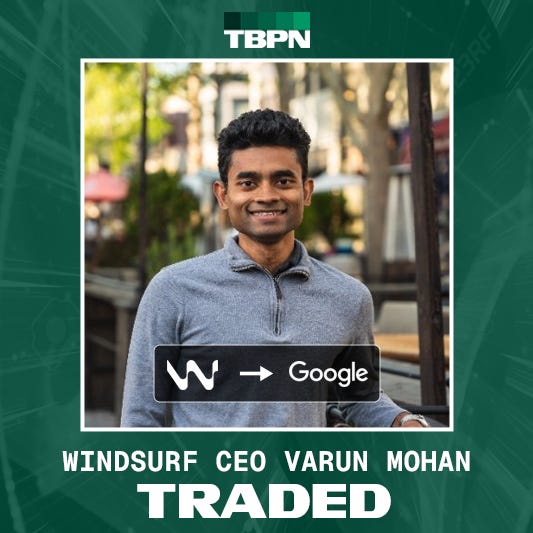
It also helps that the two hosts are attractive young men. During the livestream, they wear suits or custom branded TBPN rugby shirts that bear a resemblance to both F1 uniforms and Ralph Lauren.
Coogan and Hays have brought a degree of sexiness to tech, an industry that has long lacked it. The prototypical tech guy used to be a scruffy, awkward coder in a sweatshirt in a garage; now you might picture a TBPN host — a guy you’d have a beer with, donning a $200 haircut and a tailored suit.
The TBPN founders demonstrated genius by making a nerdy, cringe industry look cool. OpenAI is now betting that if Coogan and Hays could make tech sexy, they can make Sam Altman and AI likable.
Branding and visual identity have always been important for consumer products; in the attention economy, these factors matter just as much for media organizations and tech companies.
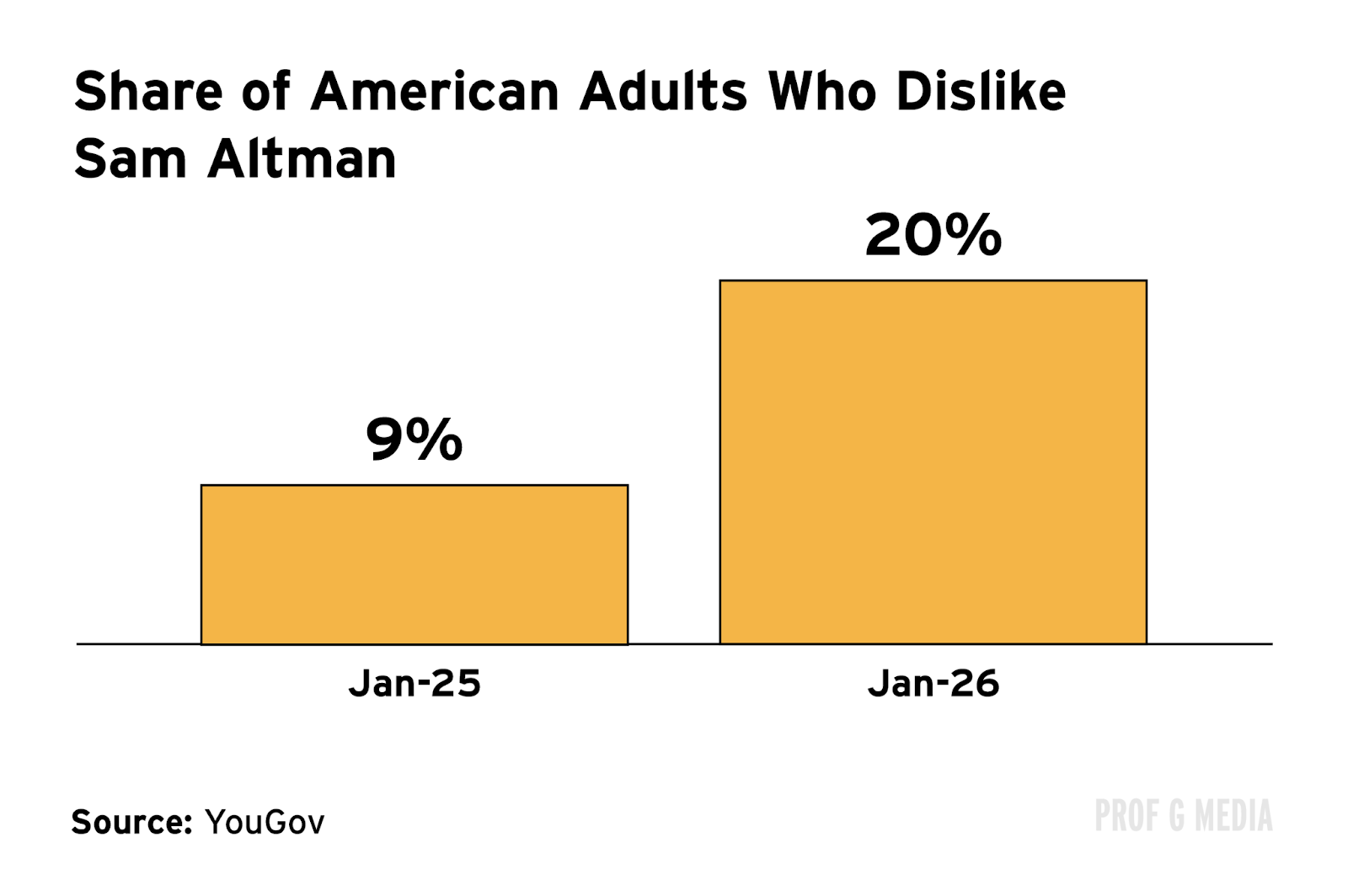
OpenAI’s current branding efforts can best be described as flailing. Altman admitted he needs help in an interview with Axios: “They [Coogan and Hays] are marketing geniuses, and I’d love to have better marketing.”
On the day the acquisition was announced, Sam Altman’s odds of being removed as CEO of OpenAI declined 5% on Kalshi.
OpenAI has a brand problem, and TBPN could be the solution. The lesson here? Looks aren’t superficial. The ability to build a brand and make something look cool is apparently worth $200 million.